
Influence of Psychological Factors on Rehabilitation
- PHYSIO 360

- May 3
- 3 min read

INTRODUCTION;
Rehabilitation is not just about muscles, joints, and movement—it is equally about the mind. At Physio360 Chennai, we strongly believe that psychological factors play a crucial role in recovery, pain perception, and overall rehabilitation outcomes. Whether it’s post-surgery rehab, sports injury recovery, neurological rehabilitation, or chronic pain management, the mental state of a patient can significantly influence the speed and success of healing.
Why Psychological Factors Matter in Rehabilitation.
Physical recovery and mental health are deeply interconnected. When a patient undergoes injury or illness, it not only affects their body but also their emotions, thoughts, and behaviour.
Key Psychological Influences:
✔ Pain perception
✔ Motivation and adherence to therapy
✔ Fear of movement (kinesiophobia
✔ Stress and anxiety levels
✔ Confidence in recovery
✔ Coping mechanisms
At Physio360, we integrate both physical therapy and psychological awareness to ensure faster and long-lasting recovery.
Common Psychological Factors Affecting Rehab
1. Fear Avoidance Behaviour
Patients often avoid movements due to fear of pain or re-injury. This leads to:
Reduced mobility
Muscle weakness
Delayed recovery
✔ Example: A patient with low back pain may avoid bending, worsening stiffness.
2. Anxiety and Stress
High stress levels increase muscle tension and pain sensitivity, slowing healing.
✔ Effects:
Increased inflammation
Poor sleep
Reduced participation in therapy
3. Depression
Depression can significantly reduce motivation and energy levels, making it difficult for patients to follow rehabilitation programs.
✔ Signs include:
Lack of interest in exercises
Feeling hopeless about recovery
Withdrawal from therapy sessions
4. Pain Catastrophizing
This refers to exaggerated negative thoughts about pain, such as:
“My pain will never go away”
“This injury is permanent”
✔ Leads to:
Increased pain perception
Reduced functional outcomes
5. Motivation and Self-Efficacy
Patients who believe in their ability to recover tend to:
✔ Follow exercise programs regularly
✔ Show faster improvement
✔ Have better long-term outcomes
The Mind-Body Connection in Rehabilitation
The connection between the brain and body is powerful. Psychological stress can:
Alter nervous system responses
Increase muscle guarding
Reduce healing capacity
This is why holistic physiotherapy at Physio360 Chennai focuses on both physical and mental well-being.
Role of Physiotherapy in Addressing Psychological Factors.
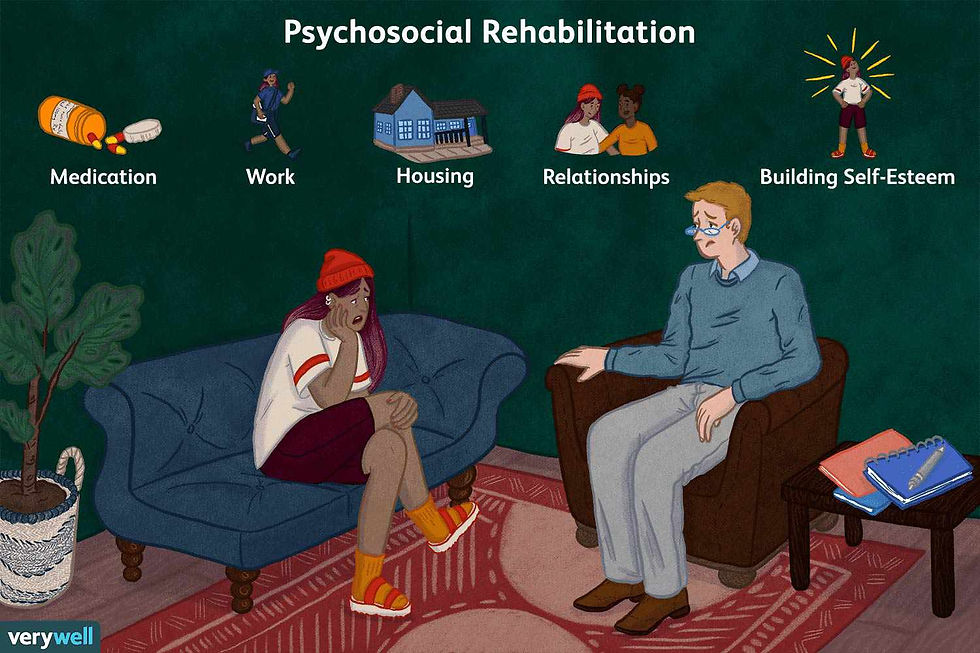
At Physio360, we use a biopsychosocial approach, which means treating the patient as a whole—not just the injury.
Strategies Used:
1. Patient Education
Explaining the condition clearly
Reducing fear and misconceptions
2. Goal Setting
Short-term achievable goals
Builds confidence and motivation
3. Graded Exposure Therapy
Gradual reintroduction to feared movements
Helps overcome fear avoidance
4. Relaxation Techniques
Breathing exercises
Mindfulness and stress reduction
5. Positive Reinforcement
Encouraging progress
Building self-belief
Psychological Techniques That Improve Rehab Outcomes
✔ Cognitive Behavioural Therapy (CBT) principles
✔ Guided relaxation
✔ Visualisation techniques
✔ Pain neuroscience education
✔ Mindfulness-based stress reduction
These methods are often integrated alongside manual therapy, exercise therapy, and electrotherapy at Physio360.
Impact on Different Conditions
Orthopaedic Conditions
Faster recovery in ACL rehab
Reduced chronic pain in osteoarthritis
Neurological Rehabilitation
Improved outcomes in stroke recovery
Better motor relearning
Sports Injuries
Faster return to sport
Reduced fear of re-injury
Chronic Pain Conditions
Better pain management
Improved quality of life
Signs That Psychological Factors Are Affecting Recovery
✔ Slow progress despite proper treatment
✔ Fear of movement
✔ Avoidance of exercises
✔ Excessive pain complaints
✔ Low motivation
Early identification helps physiotherapists modify treatment plans effectively.
How Patients Can Improve Their Rehabilitation
✔ Stay consistent with exercises
✔ Communicate openly with your physiotherapist
✔ Maintain a positive mindset
✔ Practice relaxation techniques
✔ Set realistic recovery goals
Why Choose Physio360 Chennai?
At Physio360 Chennai, we go beyond traditional physiotherapy by combining:
✔ Evidence-based rehabilitation
✔ Psychological support strategies
✔ Personalised exercise programs
✔ Expert physiotherapists
✔ Holistic healing approach

Final Thoughts
Rehabilitation is not just a physical journey—it’s a mental one too. Ignoring psychological factors can delay recovery, while addressing them can accelerate healing and improve outcomes dramatically.
Take the First Step Towards Complete Recovery!
If you or your loved ones are struggling with pain, injury, or delayed recovery, visit Physio360 Chennai – the best physiotherapy centre near you for comprehensive, holistic rehabilitation.
Book your consultation today and experience faster recovery with expert care.
REFERENCE AND RESEARCH ARTICLE ;
1.Impact of Psychological Factors on Rehabilitation After Anterior Cruciate Ligament Reconstruction: A Systematic Reviewhttps://pmc.ncbi.nlm.nih.gov/articles/PMC11569572/.
2.Current study on the influence of psychological factors on returning to sports after ACLRhttps://doi.org/10.1016/j.heliyon.2022.e12434


Comments