
Meniscus Injury Types: A Complete Guide by Physio360
- PHYSIO 360

- Jan 8
- 3 min read
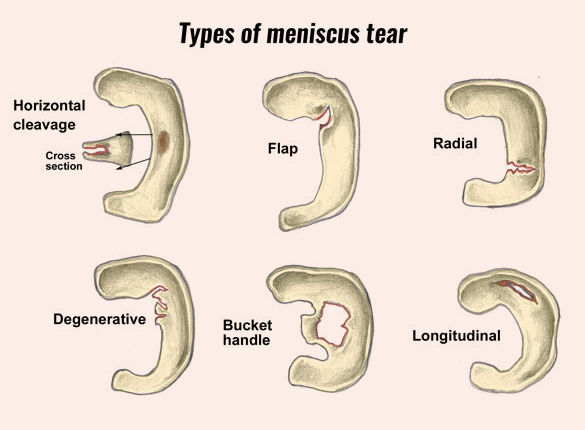
INTRODUCTION;
Knee pain is one of the most common musculoskeletal complaints seen in physiotherapy clinics, and meniscus injuries are a leading cause. Whether you are an athlete, fitness enthusiast, office worker, or older adult, a meniscus tear can significantly affect your mobility, stability, and quality of life.
At Physio360 – Best Physiotherapy Centre in Chennai, we frequently manage patients with meniscus injuries using advanced physiotherapy, manual therapy, and evidence-based rehabilitation programs to ensure fast recovery and long-term knee health.
What Is the Meniscus?
The knee joint contains two menisci:
Medial meniscus (inner side)
Lateral meniscus (outer side)
These are C-shaped fibrocartilage structures that act as:
✔ Shock absorbers
✔ Knee stabilisers
✔ Load distributors
✔ Protectors of knee cartilage
Injury to the meniscus can occur due to sports trauma, twisting movements, degeneration, or repetitive stress.
Common Causes of Meniscus Injury
Meniscus injuries can result from:
Sudden twisting of the knee
Sports like football, badminton, basketball, or cricket
Squatting or lifting heavy weights
Age-related degeneration
Road traffic accidents
Poor biomechanics and muscle imbalance
At Physio360 Chennai, we identify the root cause of injury, not just the symptoms.
Types of Meniscus Injuries
Understanding the type of meniscus tear is crucial for choosing the right physiotherapy treatment and avoiding unnecessary surgery.
1. Longitudinal (Vertical) Meniscus Tear
Description:
Tear runs along the length of the meniscus
Common in young athletes
Symptoms:
Knee pain during twisting
Swelling
Knee locking or catching
Physiotherapy Role:
Early rehab can often avoid surgery
Strengthening and neuromuscular training
2. Radial Meniscus Tear
Description:
Tear starts from the inner edge and extends outward
Disrupts load transmission
Symptoms:
Sudden sharp knee pain
Instability
Difficulty in weight-bearing
Physio360 Approach:
Gait correction
Quadriceps and hamstring strengthening
Proprioceptive training
3. Horizontal Meniscus Tear
Description:
A tear splits the meniscus into upper and lower parts
Common in degenerative knees
Symptoms:
Deep knee pain
Swelling after activity
Reduced knee flexibility
Best Treatment:
Conservative physiotherapy
Manual therapy
Load management strategies
4. Bucket Handle Tear
Description:
A severe form of longitudinal tear
Torn fragment flips into the joint
Symptoms:
Knee locking
Inability to fully straighten the knee
Severe pain and swelling
Physiotherapy Role:
Post-surgical rehabilitation
Prevent stiffness and muscle wasting
Restore full knee function
5. Flap (Oblique) Tear
Description:
Small, unstable flap of cartilage
Can catch inside the joint
Symptoms:
Sudden pain during movement
Clicking sensation
Physio360 Rehab Focus:
Movement correction
Muscle balance
Functional knee training
6. Degenerative Meniscus Tear
Description:
Occurs due to wear and tear
Common after 40 years of age
Symptoms:
Gradual onset knee pain
Morning stiffness
Pain while climbing stairs
Best Physiotherapy Treatment:
Pain relief techniques
Strengthening exercises
Weight-bearing modification
Lifestyle advice
Medial vs Lateral Meniscus Injuries
Feature | Medial Meniscus | Lateral Meniscus |
Injury Rate | More common | Less common |
Mobility | Less mobile | More mobile |
Healing | Slower | Faster |
At Physio360 Centre in Chennai, treatment is customised based on which meniscus is involved.
Diagnosis of Meniscus Injury
At Physio360, we use:
Detailed clinical examination
Special tests (McMurray, Thessaly, Apley)
Functional movement assessment
MRI correlation (if needed)
Our focus is on accurate diagnosis and personalised rehabilitation.
Physiotherapy Treatment for Meniscus Injury at Physio360
Non-Surgical (Conservative) Management
✔ Pain and swelling control
✔ Knee strengthening exercises
✔ Manual therapy
✔ Balance and proprioception training
✔ Sports-specific rehabilitation
Post-Surgical Rehabilitation
✔ Early mobility
✔ Muscle re-education
✔ Gradual return to sports
✔ Injury prevention strategies
We specialize in fast recovery physiotherapy, helping patients return to sports, dance, gym, and daily activities safely.
Why Choose Physio360 for Meniscus Injury Treatment?
✔ Best physiotherapy centre in Chennai
✔ Experienced sports physiotherapists
✔ Evidence-based rehabilitation programs
✔ Individualised exercise plans
✔ Advanced manual therapy techniques
✔ Affordable and result-oriented care
Whether you searched for “meniscus injury treatment near me, “best physiotherapist for knee pain, or “sports physiotherapy in Chennai, Physio360 is your trusted destination.
When Should You See a Physiotherapist?
Consult immediately if you experience:
Knee locking or instability
Persistent swelling
Pain during sports or daily activities
Difficulty squatting or climbing stairs
Early physiotherapy can prevent surgery and long-term knee damage.

Final Words
Meniscus injuries vary in type, severity, and recovery time. The right diagnosis and physiotherapy treatment play a vital role in restoring knee health and preventing recurrence.
At Physio360, we believe in treating the cause, not just the pain.
Visit Physio360 – Best Physiotherapy Centre in Chennai
Book your consultation today for expert meniscus injury rehabilitation Get back to pain-free movement with Physio360 Fast Recovery Programs
REFERENCE AND RESEARCH ARTICLE ;
1.Meniscus Tear: Pathology, Incidence, and Managementhttps://pmc.ncbi.nlm.nih.gov/articles/PMC9205760/.
2.Evaluation of Meniscus Tears and Associated Conditions using Magnetic Resonance Imaging without Contrast Agent: A Retrospective Studyhttps://www.researchgate.net/publication/392493749_Evaluation_of_Meniscus_Tears_and_Associated_Conditions_using_Magnetic_Resonance_Imaging_without_Contrast_Agent_A_Retrospective_Study


Comments