
Patella Instability in Sports – Causes, Symptoms, Treatment & Physiotherapy Management.

Introduction
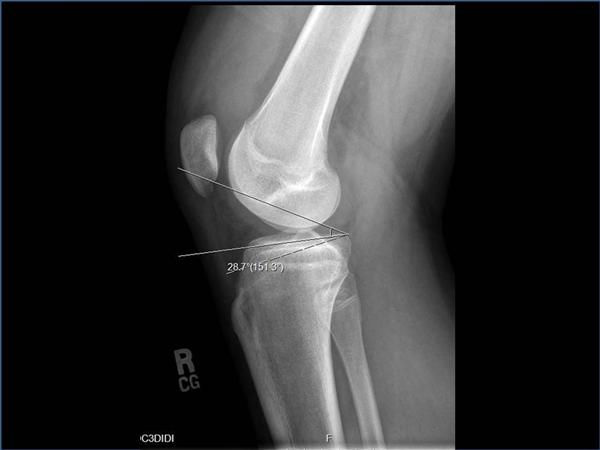
Patellar instability is a common knee condition seen in athletes and physically active individuals. It occurs when the kneecap (patella) moves partially or completely out of its normal position in the femoral groove. This condition can significantly affect sports performance and daily activities if left untreated.
At Physio360 Chennai, we frequently manage sports injuries related to patellar instability through advanced physiotherapy rehabilitation, sports-specific exercises, and biomechanical correction programs.
What is Patella Instability?
Patellar instability refers to abnormal movement or dislocation of the kneecap from its normal alignment. It can occur suddenly during sports activities or develop gradually due to muscle imbalance and poor biomechanics.
The patella normally glides smoothly within the trochlear groove during knee bending and straightening. When stability structures become weak or injured, the kneecap may shift laterally, causing pain and instability.
Common Sports Associated with Patella Instability.
Athletes involved in the following sports are more prone to patellar instability:
Football
Basketball
Volleyball
Running
Gymnastics
Dance
Martial arts
Cricket
Badminton
Athletics
Sports requiring sudden twisting, jumping, pivoting, or directional changes increase the risk.
Causes of Patella Instability
1. Sports Trauma
A sudden twisting injury during sports may push the kneecap out of position.
2. Muscle Weakness
Weakness of the quadriceps, especially the VMO (Vastus Medialis Oblique), contributes to poor patellar tracking.
3. Ligament Injury
Damage to the MPFL (Medial Patellofemoral Ligament) can result in recurrent instability.
4. Anatomical Factors
Some athletes naturally have:
Shallow trochlear groove
High-riding patella
Increased Q-angle
Flat feet
Hypermobile joints
5. Poor Biomechanics
Improper landing mechanics and muscle imbalance increase stress on the knee joint.
Symptoms of Patella Instability
Common Symptoms Include:
✔ Knee pain during activity
✔ Feeling of the knee “giving way”
✔ Popping sensation
✔ Swelling around the knee
✔ Difficulty running or jumping
✔ Fear during direction changes
✔ Recurrent kneecap dislocation
✔ Instability while climbing stairs
Some athletes report feeling that the kneecap “slips out” during sports.
Types of Patellar Instability
Type | Description |
Subluxation | Partial displacement of the patella |
Dislocation | Complete displacement of the patella |
Recurrent instability | Repeated episodes of slipping |
Chronic instability | Persistent instability due to weakness or anatomical issues |
Risk Factors in Athletes
Athletes at higher risk include:
Female athletes
Adolescents
Hypermobile individuals
Players with previous knee injuries
Athletes returning too early after injury
Poor lower limb strength and control
Diagnosis of Patella Instability
At Physio360 Sports Physiotherapy Centre in Chennai, assessment includes:
Clinical Examination
Patellar apprehension test
Q-angle assessment
Gait analysis
Functional movement screening
Single-leg squat assessment
Imaging
Doctors may recommend:
X-ray
MRI scan
CT scan in severe cases
MRI helps evaluate ligament damage and cartilage injury.
Physiotherapy Management for Patella Instability
Physiotherapy is one of the best conservative treatments for patellar instability.
Goals of Physiotherapy
✔ Reduce pain and swelling
✔ Improve patellar tracking
✔ Restore knee stability
✔ Strengthen surrounding muscles
✔ Improve sports performance
✔ Prevent recurrence
Phase-Wise Rehabilitation Protocol
Phase 1 – Acute Phase
Goals
Pain reduction
Swelling control
Protection of the knee
Treatment
Cryotherapy
Patellar taping
Knee bracing
Gentle ROM exercises
Isometric quadriceps exercises
Weight-bearing modification
Phase 2 – Strengthening Phase
Focus Areas
Quadriceps Strengthening
Straight leg raises
Mini squats
Terminal knee extension
Hip Strengthening
Clamshells
Hip abduction exercises
Glute strengthening
Core Stability
Core weakness contributes to poor knee control.
Phase 3 – Neuromuscular & Balance Training
Exercises Include:
Single-leg balance
Bosu ball exercises
Proprioception training
Agility drills
Functional movement retraining
This phase is extremely important in athletes.
Phase 4 – Sports Rehabilitation
Sports-Specific Training
Jump training
Cutting drills
Running progression
Landing mechanics correction
Plyometric exercises
Athletes are gradually returned to sport after functional testing.
Importance of VMO Strengthening
The Vastus Medialis Oblique (VMO) muscle plays a critical role in stabilising the patella.
Important Exercises:
✔ Terminal knee extension
✔ Step-down exercises
✔ Wall squats with ball squeeze
✔ Biofeedback training
Role of Taping and Bracing
Patellar Taping
Helps:
Improve alignment
Reduce pain
Enhance proprioception
Knee Braces
Useful during:
Early rehabilitation
Sports return phase
High-risk activities
Surgical Management
Surgery may be needed if:
Recurrent dislocations occur
Conservative management fails
Significant ligament tears exist
Cartilage damage is severe
Common procedures include:
MPFL reconstruction
Tibial tubercle transfer
Trochleoplasty
Post-surgical physiotherapy is essential for successful recovery.

Prevention of Patella Instability in Sports.
Prevention Tips
✔ Proper warm-up before sports
✔ Strengthen quadriceps and hips
✔ Improve landing mechanics
✔ Maintain flexibility
✔ Use proper footwear
✔ Avoid overtraining
✔ Early treatment of knee pain
Return to Sports Criteria.
An athlete can return to sports when:
Full ROM is achieved
Strength reaches 90% compared to the opposite side
No instability episodes occur
Good balance and agility are restored
Functional testing is passed
Why Early Physiotherapy Matters
Ignoring recurrent kneecap instability may lead to:
Cartilage damage
Chronic knee pain
Early osteoarthritis
Reduced sports performance
Early physiotherapy intervention significantly improves recovery outcomes and reduces recurrence risk.
Why Choose Physio360 Chennai for Sports Knee Rehabilitation?
At Physio360 Chennai, our sports rehabilitation experts provide:
✔ Advanced sports physiotherapy
✔ Customised rehabilitation programs
✔ Biomechanical assessment
✔ Manual therapy
✔ Sports taping
✔ Return-to-play training
✔ Injury prevention strategies
We help athletes recover safely and return stronger to their sport.
Conclusion
Patella instability is a common but manageable sports injury. Proper diagnosis, structured physiotherapy rehabilitation, muscle strengthening, and biomechanical correction are essential for complete recovery.
Early intervention and sports-specific rehabilitation can help athletes return confidently to activity while preventing future dislocations.
REFERENCE AND RESEARCH ARTICLE ;
1.Treatment Options for Patellofemoral Instability in Sports Traumatologyhttps://pmc.ncbi.nlm.nih.gov/articles/PMC3808798/.
2.Updates in the management of lateral patellar instabilityhttps://doi.org/10.1016/j.jjoisr.2025.04.001


Comments