
Patellofemoral Joint Stress – Causes, Symptoms, Physiotherapy Treatment & Fast Recovery.

INTRODUCTION;
Knee pain while climbing stairs? Pain during squatting, running, or sitting for a long time? You may be suffering from Patellofemoral Joint Stress, one of the most common causes of anterior knee pain seen in athletes, gym-goers, office workers, and even homemakers.
At Physio360 Chennai, we frequently treat patients with patellofemoral pain using advanced physiotherapy techniques, manual therapy, movement correction, and strengthening rehabilitation programs for long-term recovery.
What is Patellofemoral Joint Stress?
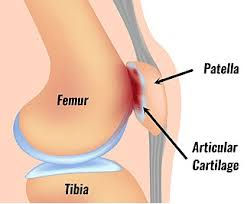
The patellofemoral joint is formed between the kneecap (patella) and the thigh bone (femur). This joint helps the knee move smoothly during walking, running, jumping, squatting, and stair climbing.
When excessive pressure or improper movement occurs in this joint, it leads to Patellofemoral Joint Stress Syndrome (PFJS) or Patellofemoral Pain Syndrome (PFPS).
This condition is commonly known as:
Runner’s Knee
Anterior Knee Pain
Patellar Stress Syndrome
The condition develops when the kneecap does not glide properly in its groove, causing irritation, inflammation, and stress on the cartilage and surrounding soft tissues.
Common Causes of Patellofemoral Joint Stress.
At Physio360 – Best Physiotherapy Clinic for Knee Pain in Chennai, we assess the root cause before starting treatment.
Common causes include:
✔ Weak quadriceps muscles
✔ Tight hamstrings and calf muscles
✔ Hip muscle weakness
✔ Poor patellar tracking
✔ Flat feet or improper footwear
✔ Sudden increase in gym or sports activities
✔ Running on hard surfaces
✔ Repetitive stair climbing
✔ Prolonged sitting with bent knees
✔ Improper squat mechanics
✔ Obesity or increased body weight
✔ Muscle imbalance around the knee joint
Athletes, dancers, runners, cyclists, and gym trainers are highly prone to developing patellofemoral stress injuries.
Symptoms of Patellofemoral Joint Stress
Patients commonly report:
Pain Around the Front of the Knee
Pain is usually felt:
Around the kneecap
Behind the kneecap
During movement activities
Pain During Functional Activities
Pain increases during:
Stair climbing
Squatting
Running
Jumping
Lunges
Sitting for prolonged periods
Knee Clicking or Grinding
Some patients feel:
Cracking sounds
Grinding sensation
Popping during knee movement
Stiffness
The knee may feel:
Tight after sitting
Difficult to bend fully
Weak during walking
Risk Factors for Patellofemoral Pain
Certain individuals are more prone to this condition:
✔ Runners
✔ Athletes
✔ Gym-goers
✔ Office workers
✔ Teenagers involved in sports
✔ Females with hip muscle weakness
✔ People with poor posture and biomechanics
At Physio360 Chennai, detailed biomechanical assessment helps identify the exact contributing factors.
Physiotherapy Assessment for Patellofemoral Joint Stress
At Physio360 – Best Physiotherapy Centre Near Me, our physiotherapists perform a complete assessment including:
Subjective Assessment
Pain history
Aggravating activities
Sports and exercise history
Functional limitations
Physical Examination
Patellar mobility assessment
Knee alignment analysis
Muscle strength testing
Flexibility assessment
Gait analysis
Squat assessment
Functional movement screening
Special Tests
Patellar compression test
Clarke’s test
Step-down test
Single-leg squat analysis
This detailed evaluation helps identify whether the pain originates from:
Muscle imbalance
Tracking dysfunction
Weakness
Overuse stress
Biomechanical abnormalities
Best Physiotherapy Treatment for Patellofemoral Joint Stress
At Physio360 Chennai, treatment focuses on reducing pain, correcting biomechanics, and preventing recurrence.
Pain Reduction Treatment
Electrotherapy Modalities
✔ IFT Therapy
✔ Ultrasound Therapy
✔ TENS Therapy
✔ Cryotherapy
✔ Laser Therapy
These help reduce:
Pain
Inflammation
Muscle spasm
Manual Therapy
Our physiotherapists perform:
✔ Patellar mobilization
✔ Soft tissue release
✔ Myofascial release
✔ Trigger point therapy
✔ Joint mobilization
Manual therapy improves:
Knee mobility
Patellar alignment
Muscle flexibility
Strengthening Exercises
Strengthening is the key to long-term recovery.
Important Muscle Groups
✔ Quadriceps strengthening
✔ VMO activation exercises
✔ Hip abductors strengthening
✔ Glute strengthening
✔ Core stabilisation exercises
Stretching Exercises
Stretching helps reduce abnormal stress over the kneecap.
Common Stretching Programs
✔ Hamstring stretches
✔ Quadriceps stretches
✔ IT band stretches
✔ Calf stretching
✔ Hip flexor stretching
Movement Correction Training
At Physio360 – Best Sports Physiotherapy Clinic in Chennai, movement retraining plays a major role.
We correct:
Squat mechanics
Running pattern
Landing techniques
Stair climbing mechanics
Gym exercise posture
Taping and Bracing
Kinesiology Taping
Taping helps:
✔ Improve patellar alignment
✔ Reduce pain
✔ Improve movement control
Many sports patients experience immediate relief after proper taping techniques.
Home Advice for Faster Recovery
DO’s
✔ Use ice for pain relief
✔ Perform exercises regularly
✔ Wear proper footwear
✔ Maintain proper posture
✔ Warm up before workouts
DON’Ts
✘ Avoid deep squats initially
✘ Avoid excessive stair climbing
✘ Do not ignore persistent knee pain
✘ Avoid a sudden increase in workouts
✘ Avoid prolonged sitting posture
How Long Does Recovery Take?
Recovery depends on:
Severity of stress
Muscle weakness
Activity level
Consistency of exercises
Most patients improve within:
4–8 weeks with physiotherapy
Faster if treated early
Ignoring symptoms may lead to:
Chronic knee pain
Cartilage damage
Reduced sports performance
Prevention of Patellofemoral Joint Stress
Prevention strategies include:
✔ Proper warm-up
✔ Muscle strengthening
✔ Flexibility exercises
✔ Weight management
✔ Correct exercise technique
✔ Proper footwear selection
✔ Gradual sports progression
At Physio360 Chennai, preventive physiotherapy programs are available for athletes and fitness enthusiasts.
Why Choose Physio360 Chennai for Knee Pain Treatment?
✔ Experienced physiotherapists
✔ Advanced rehabilitation techniques
✔ Sports injury management
✔ Personalised exercise programs
✔ Evidence-based physiotherapy care
✔ Manual therapy experts
✔ Posture and biomechanical correction
✔ Fast recovery programs
✔ Friendly and supportive environment
We focus not only on pain relief but also on correcting the root cause to prevent recurrence.
Conclusion
Patellofemoral Joint Stress is a very common yet manageable knee condition. Early physiotherapy intervention can significantly reduce pain, improve knee function, and help patients return to sports and daily activities safely.
Ignoring anterior knee pain can worsen the condition over time. Proper assessment, strengthening, flexibility training, and movement correction are essential for complete recovery.
If you are experiencing knee pain during stair climbing, squatting, gym workouts, or running, consult Physio360 Chennai – Best Physiotherapy Clinic for Knee Pain Near Me for expert evaluation and advanced rehabilitation treatment.
Physio360 Chennai
Expert Physiotherapy Care for Knee Pain, Sports Injuries & Fast Recovery
✔ Advanced Rehabilitation✔ Manual Therapy✔ Sports Physiotherapy✔ Personalized Exercise Programs✔ Evidence-Based Treatment.
REFERENCE AND RESEARCH ARTICLE ;
1.Individuals with patellofemoral pain exhibit greater patellofemoral joint stress: a finite element analysis studyhttps://doi.org/10.1016/j.joca.2010.12.001


Comments