
Shoulder Bursitis – Best Physiotherapy Treatment in Chennai | Physio360.
- PHYSIO 360

- 4 days ago
- 4 min read

What is Shoulder Bursitis?
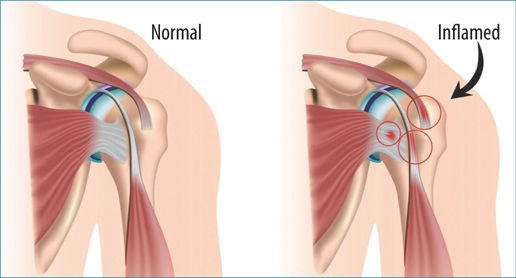
Shoulder Bursitis is a painful inflammatory condition affecting the shoulder joint. It occurs when the bursa, a small fluid-filled sac that cushions the bones, tendons, and muscles around the shoulder, becomes irritated or inflamed. The bursa helps reduce friction and allows smooth shoulder movement. When inflamed, even simple activities such as lifting the arm, combing hair, reaching overhead, or sleeping on the affected side can become painful.
At Physio360 Chennai, we provide advanced physiotherapy management for shoulder bursitis with evidence-based rehabilitation programs designed to reduce pain, restore mobility, and improve shoulder strength naturally without unnecessary medications or surgery.
Causes of Shoulder Bursitis
Shoulder bursitis commonly develops due to repetitive stress or prolonged irritation of the shoulder structures.
Common Causes Include:
✔ Repetitive overhead activities
✔ Poor posture and rounded shoulders
✔ Sports injuries
✔ Heavy lifting
✔ Sudden trauma or falls
✔ Shoulder impingement syndrome
✔ Rotator cuff injuries
✔ Prolonged pressure on the shoulder
✔ Age-related degeneration
✔ Improper gym workouts
People searching for the best physiotherapy for shoulder pain near me often experience bursitis without realizing it.
Symptoms of Shoulder Bursitis
The symptoms can range from mild discomfort to severe pain, restricting shoulder movement.
Common Symptoms:
✅ Shoulder pain during movement
✅ Pain while lifting the arm
✅ Difficulty reaching overhead
✅ Pain during sleeping on the affected side
✅ Tenderness around the shoulder
✅ Swelling or warmth
✅ Reduced shoulder range of motion
✅ Weakness in the arm
✅ Sharp pain during certain activities
✅ Stiffness in the shoulder joint
At Physio360 Chennai, our expert physiotherapists carefully assess the root cause before starting treatment.
Types of Shoulder Bursitis
✔ Subacromial Bursitis
The most common type affects the space below the acromion.
✔ Subdeltoid Bursitis
Inflammation of the bursa beneath the deltoid muscle.
✔ Septic Bursitis
Bursitis caused by infection.
✔ Chronic Bursitis
Long-standing inflammation due to repeated stress.
Risk Factors
Certain individuals are more prone to shoulder bursitis.
High-Risk Groups:
Athletes
Painters
Gym-goers
Office workers with poor posture
Elderly individuals
People performing repetitive arm activities
Individuals with diabetes or arthritis
Diagnosis of Shoulder Bursitis
At Physio360 Chennai, a detailed assessment includes:
✔ Postural analysis
✔ Shoulder range of motion testing
✔ Muscle strength assessment
✔ Orthopaedic special tests
✔ Functional movement assessment
✔ Pain pattern evaluation
If needed, imaging such as X-ray, ultrasound, or MRI may be advised.
Best Physiotherapy Treatment for Shoulder Bursitis in Chennai
Physiotherapy is one of the safest and most effective treatments for shoulder bursitis.
At Physio360, Treatment Includes:
✅ Pain Management
Ice therapy
Electrotherapy
Ultrasound therapy
Taping techniques
✅ Manual Therapy
Joint mobilization
Soft tissue release
Myofascial release
Trigger point therapy
✅ Stretching Exercises
Posterior capsule stretch
Pectoral stretch
Shoulder mobility exercises
✅ Strengthening Exercises
Rotator cuff strengthening
Scapular stabilization
Resistance band exercises
Postural correction exercises
✅ Functional Rehabilitation
Activity modification
Ergonomic correction
Sports-specific rehabilitation
Return-to-work training
People searching for the best shoulder physiotherapy clinic nearby, sports physiotherapy near me, or the best physio clinic in Chennai can benefit from specialised rehabilitation programs at Physio360.
Home Advice for Shoulder Bursitis
✔ Avoid painful overhead activities
✔ Maintain proper posture
✔ Use ice for 15–20 minutes
✔ Avoid sleeping on the painful side
✔ Perform regular stretching exercises
✔ Take frequent breaks during repetitive work
Exercises for Shoulder Bursitis
✔ Pendulum Exercise
Improves gentle shoulder mobility.
✔ Wall Climbing Exercise
Helps restore shoulder movement gradually.
✔ Scapular Retraction
Improves posture and shoulder stability.
✔ Rotator Cuff Strengthening
Enhances shoulder muscle support.
✔ Sleeper Stretch
Reduces shoulder tightness.
Prevention Tips
✅ Warm up before exercise
✅ Maintain proper shoulder posture
✅ Avoid repetitive strain
✅ Strengthen shoulder muscles
✅ Use proper lifting techniques
✅ Take breaks during repetitive work
When to Visit a Physiotherapist?
Seek professional help if:
Shoulder pain persists for more than a few days
Pain increases during arm movement
Night pain disturbs sleep
Difficulty lifting objects
Shoulder stiffness worsens
Weakness develops in the arm
Early physiotherapy intervention helps prevent chronic shoulder problems and improves recovery.
Why Choose Physio360 Chennai?
At Physio360 Chennai, we focus on identifying the root cause of shoulder pain and providing personalised rehabilitation programs for faster recovery.
Our Specialities:
✔ Experienced physiotherapists
✔ Evidence-based treatment
✔ Advanced manual therapy
✔ Sports rehabilitation
✔ Personalised exercise programs
✔ Postural correction training
✔ Patient-centred care
Whether you are searching for:
Best physiotherapist near me
Shoulder pain treatment in Chennai
Sports physio nearby
Best physiotherapy clinic for shoulder pain
Affordable physiotherapy near me
Physio360 is committed to helping you recover safely and effectively.
Conclusion
Shoulder bursitis can significantly affect daily life and limit shoulder movement if left untreated. Early diagnosis and proper physiotherapy management can reduce pain, restore mobility, and prevent recurrence. With expert rehabilitation, posture correction, and strengthening exercises, most patients recover successfully without surgery.
If you are experiencing shoulder pain or stiffness, visit Physio360 Chennai Official Website for expert physiotherapy care and long-term recovery.
REFERENCE AND RESEARCH ARTICLE ;
1.Subacromial Bursa: A Neglected Tissue Is Gaining More and More Attention in Clinical and Experimental Researchhttps://pmc.ncbi.nlm.nih.gov/articles/PMC8870132/


Comments