
UPPER LIMB PLYOMETRIC TRAINING – COMPLETE GUIDE BY PHYSIO360 CHENNAI.
- PHYSIO 360

- 5 days ago
- 3 min read
INTRODUCTION;
Upper limb plyometric training is an advanced sports physiotherapy and rehabilitation technique designed to improve power, speed, neuromuscular coordination, and functional performance of the shoulder, elbow, wrist, and hand.
At Physio360 Chennai, we incorporate evidence-based upper-limb plyometric exercises into our sports rehab programs for athletes, post-surgical patients, and individuals recovering from shoulder injuries.
What is Upper Limb Plyometric Training?
Upper limb plyometrics involve rapid stretch-shortening cycle (SSC) movements where muscles are quickly stretched (eccentric phase) and immediately contracted (concentric phase).
This type of training enhances:
✔ Explosive shoulder power
✔ Dynamic joint stability
✔ Neuromuscular control
✔ Reaction time
✔ Functional strength
It is widely used in:
Cricket players
Tennis players
Badminton athletes
Volleyball players
Throwing athletes
Post-rotator cuff rehab patients
Muscles Involved in Upper Limb Plyometrics
Upper limb plyometric exercises target:
Deltoid muscles
Rotator cuff muscles
Pectoralis major
Latissimus dorsi
Triceps brachii
Biceps brachii
Scapular stabilizers (serratus anterior, trapezius)
At Physio360 Sports Centre Chennai, we emphasise scapular stability and core activation before introducing high-level plyometric drills.
Common Upper Limb Plyometric Exercises
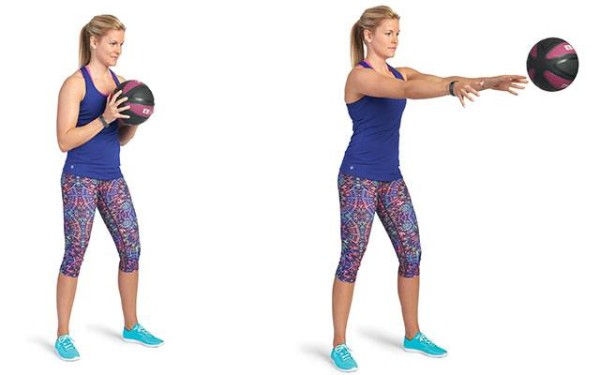
1️⃣ Medicine Ball Chest Pass
Improves pushing power
Ideal for return-to-sport shoulder rehab
2️⃣ Overhead Medicine Ball Throw
Enhances overhead athlete performance
Strengthens shoulder flexors and stabilizers
3️⃣ Plyometric Push-Ups
Develops explosive upper limb strength
Improves shoulder girdle stability
4️⃣ Wall Dribble Throws
Enhances proprioception and reaction speed
Indications for Upper Limb Plyometric Training
Upper limb plyometrics are beneficial in:
✅ Post rotator cuff repair rehabilitation
✅ Shoulder instability rehabilitation
✅ Tennis elbow recovery (advanced stage)
✅ Post-fracture upper limb rehab
✅ Return-to-sport conditioning
✅ Athletic performance enhancement
At Physio360 Centre in Chennai, we introduce plyometrics only after achieving:
Full pain-free ROM
Adequate strength (at least 80% compared to the opposite side)
Proper scapular control
Good core stability
Contraindications
Upper limb plyometric training should be avoided in:
Acute inflammation
Severe joint instability
Unhealed fractures
Acute rotator cuff tear
Severe shoulder impingement
Proper clinical assessment by the best physiotherapist near you is essential before starting plyometric rehabilitation.

Phases of Upper Limb Plyometric Rehabilitation
🔹 Phase 1 – Foundation Strength
Isometric exercises
Theraband strengthening
Scapular stabilization
🔹 Phase 2 – Controlled Dynamic Movements
Light medicine ball throws
Rhythmic stabilisation drills
🔹 Phase 3 – Explosive Training
High-velocity throws
Plyometric push-ups
Sport-specific drills
At Physio360 Chennai, we follow a structured sports physiotherapy protocol to ensure fast recovery and safe return to sports.
Benefits of Upper Limb Plyometrics
✔ Improves power output
✔ Enhances muscle coordination
✔ Increases tendon stiffness for better performance
✔ Reduces risk of re-injury
✔ Improves athletic performance✔ Speeds up return-to-sport
Why Choose Physio360 for Upper Limb Plyometric Training?
At Physio360 – Best Physiotherapy Clinic in Chennai, we provide:
⭐ Advanced sports rehabilitation
⭐ Individualised exercise protocols
⭐ Evidence-based treatment
⭐ Functional movement assessment
⭐ Post-surgical rehab programs
⭐ Athlete return-to-play protocols
Our experienced physiotherapists ensure that plyometric training is introduced at the right time to prevent overload and re-injury.
Final Thoughts
Upper limb plyometric training is a powerful rehabilitation and performance tool when performed under expert supervision. Whether you are a professional athlete or someone recovering from a shoulder injury, structured plyometric exercises can significantly improve strength, speed, and confidence.
REFERENCE AND RESEARCH ARTICLE;
1.A Comparison of the Plyometric Performance of Upper Limbs between Experienced and Non-Experienced Athleteshttps://www.researchgate.net/publication/383080482_A_Comparison_of_the_Plyometric_Performance_of_Upper_Limbs_between_Experienced_and_Non-Experienced_Athletes.
2.Single-session upper limb plyometric training is as effective as two sessions for improving muscle strength, power, and serve velocity in male youth tennis players: a randomized parallel controlled studyhttps://pmc.ncbi.nlm.nih.gov/articles/PMC11808127/


Comments